
Sustainable Cities and Communities (SDG 11)


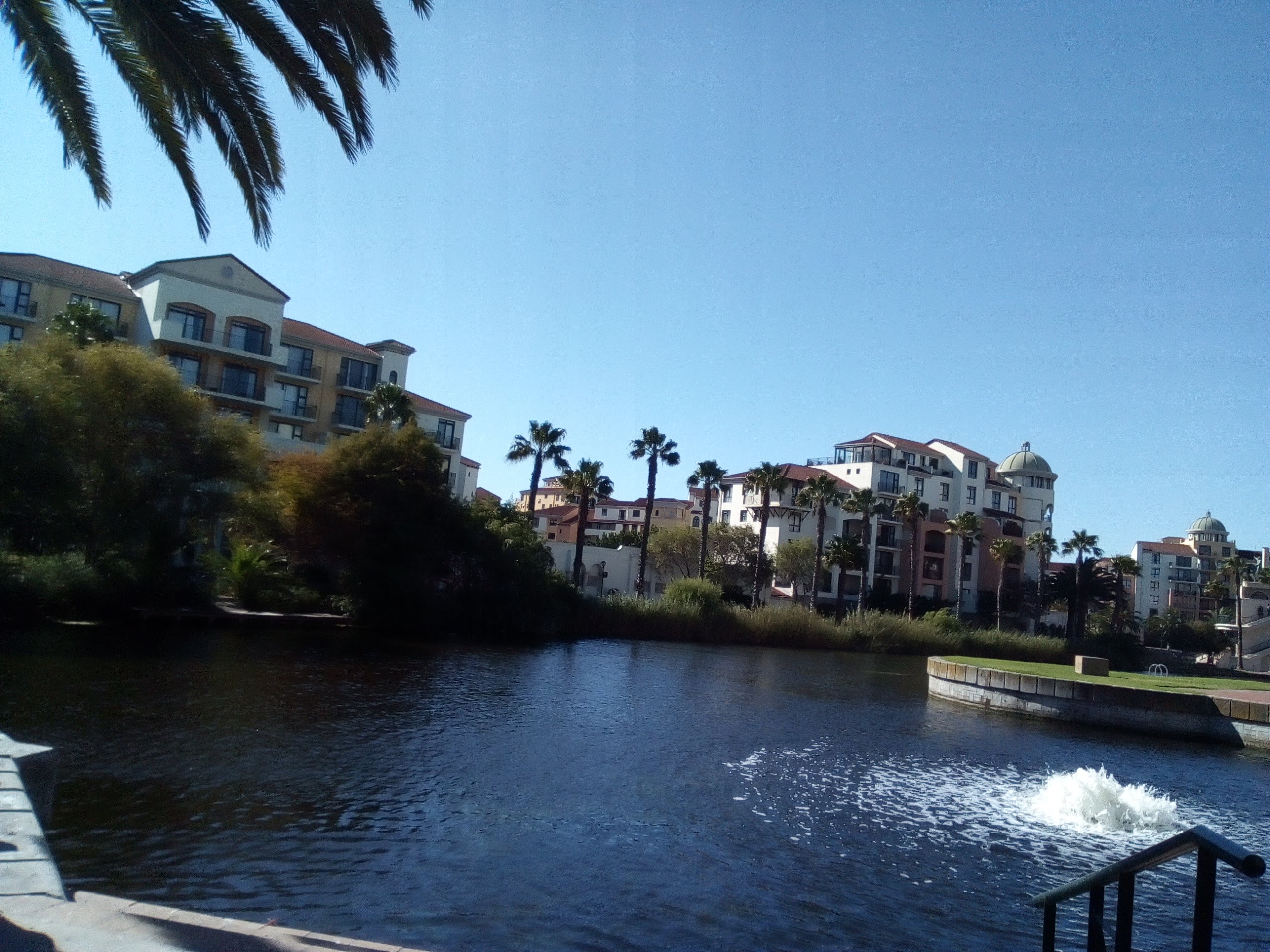


Implementing sustainable cities and communities globally, including in Africa, involves a multifaceted approach that addresses various social, economic, and environmental dimensions. Here are some key insights into implementing sustainability in urban areas:
1. Integrated Urban Planning: Adopting integrated city and urban planning approaches considering green building and green growth, efficient land use, transportation, housing, infrastructure, and natural resource management can promote compact, connected, and resilient cities. This includes strategies such as mixed land-use development, transit-oriented development, and green infrastructure planning.
2. Renewable Energy and Energy Efficiency: Transitioning to renewable energy sources and improving energy efficiency in buildings, transportation, and industry can reduce greenhouse gas emissions, enhance energy security, and promote sustainable economic growth. This involves investing in renewable energy infrastructure, promoting energy-efficient technologies, and implementing energy conservation measures.
3. Sustainable Transportation: Developing efficient, affordable, and low-carbon transportation systems, including public transit, walking, and cycling infrastructure, can reduce congestion, air pollution, and greenhouse gas emissions. This requires investments in public transportation infrastructure, pedestrian-friendly urban design, and non-motorized transport options.
4. Access to Basic Services: Ensuring universal access to clean water, sanitation, healthcare, education, and other basic services is essential for building equitable and inclusive cities. This involves improving infrastructure, expanding service coverage, and addressing disparities in access among different population groups.
5. Climate Resilience: Building climate-resilient cities that are prepared to withstand and adapt to climate change impacts, such as extreme weather events, sea-level rise, and water scarcity, is critical for ensuring long-term sustainability. This includes measures such as flood protection, water management systems, green infrastructure, and disaster risk reduction strategies.
6. Community Engagement and Participation: Engaging communities in decision-making processes, fostering partnerships between government, civil society, and the private sector, and promoting participatory governance mechanisms can enhance social cohesion, accountability, and ownership of sustainable development initiatives.
7. Economic Opportunities: Creating sustainable economic opportunities, including green jobs, entrepreneurship, and innovation, can stimulate economic growth, reduce poverty, and promote social inclusion. This involves supporting small and medium-sized enterprises, fostering innovation hubs, and promoting sustainable business practices.
8. Cultural Heritage and Identity: Preserving and promoting cultural heritage, traditions, and indigenous knowledge can enrich urban life, strengthen social cohesion, and foster a sense of place and identity. This includes integrating cultural heritage into urban planning and development strategies, supporting cultural events and festivals, and promoting cultural tourism.
The winning Strategy
Addressing the unique challenges and opportunities associated with urbanisation in Africa requires tailored approaches considering the continent’s diverse socio-economic and environmental contexts. This may involve leveraging Africa’s rich natural resources, cultural diversity, and innovative potential to build sustainable cities and communities that are resilient for all.
EVENUS AFRICA Roles
As such, we are aware of the challenges and are participating in enhancing sustainable and resilient urban settlements through integrated city planning, stakeholder participation, and research.
We are actively involved in urban LABs (Local adaptation Boosters with the community) to offer solutions to sustainable communities, especially around cities. This has been done with Mombasa City, and we are currently involved with an urban LAB for the rehabilitation and conservation of Lake Naivasha.